
Learn Mandarin in Shanghai and across China
Mandarin classes included: study at a language school, live with a Chinese host family and practise every day. The fastest way to learn Chinese is to live it.
Full Mandarin immersion
Classes give you the structure. Living with a host family gives you the practice.
Language school
We register you at a Mandarin language school and cover your tuition for your whole program.
Mandarin at home
Live with a Chinese host family and hear Mandarin every day at meals, on outings and at festivals.
A real language exchange
You share your English with the children, and the family helps you with your Chinese.
The city is your classroom
Order food, take the metro and chat with neighbours: every day is practice.
Mandarin classes included
Our program is a language and cultural exchange, so your studies come first. Here's what's included:
- Language school registration, done for you
- Mandarin tuition, covered by us
- An X1 or X2 student visa, with our guidance
- Accommodation and meals with your host family
- A US$500 monthly education subsidy from your host family
- Flight reimbursed and insurance included
In exchange, you spend 30 to 35 hours a week with your host family's children, sharing your language and culture. See the full program, or find language exchange meetups in our Shanghai guide.
Live Chinese culture, don't just study it
Language and culture go together. As part of a Chinese family you take part in traditions that most visitors only read about, and your family will love showing you. Here are a few experiences to look forward to.
Wear hanfu
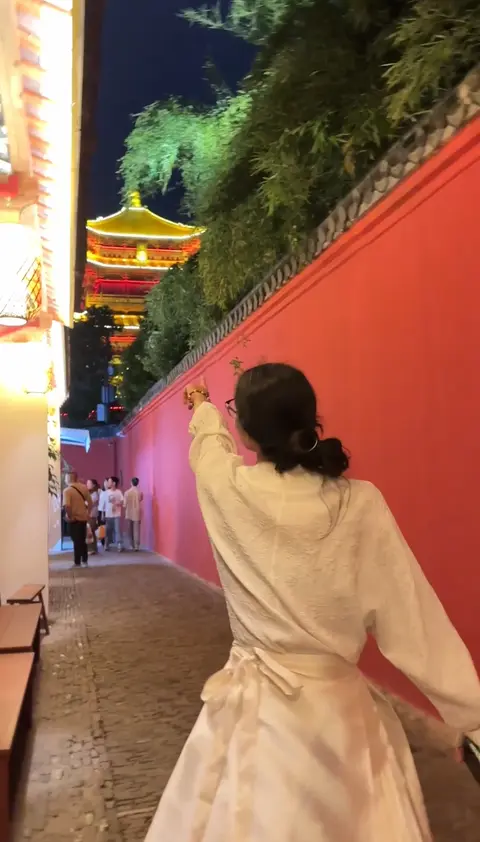
Hanfu, the traditional clothing of the Han Chinese, is hugely popular with young people. Rent a flowing outfit for a photo day in a classical garden or an old water town.
Try calligraphy
Learn to hold a brush, grind ink and write your first characters. At Spring Festival, write 福 (good fortune) and hang it upside down on the door, just like your family.
Learn the art of tea
Taste Longjing green tea from Hangzhou, watch a gongfu tea ceremony and discover why tea is offered to every guest.
Fold dumplings
Make jiaozi with your host family on New Year’s Eve. Everyone folds, everyone laughs, and someone finds the lucky coin.
Paper cutting
Cut red paper into flowers, animals and the zodiac sign of the year. It’s a craft the children love to share with you.
Tai chi in the park
Join the early-morning tai chi groups, watch evening square dancing and challenge the grandpas at Chinese chess (xiangqi).
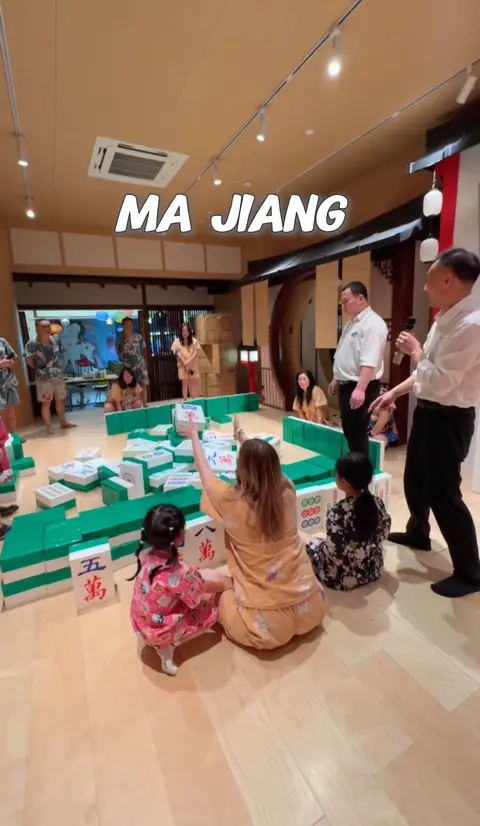
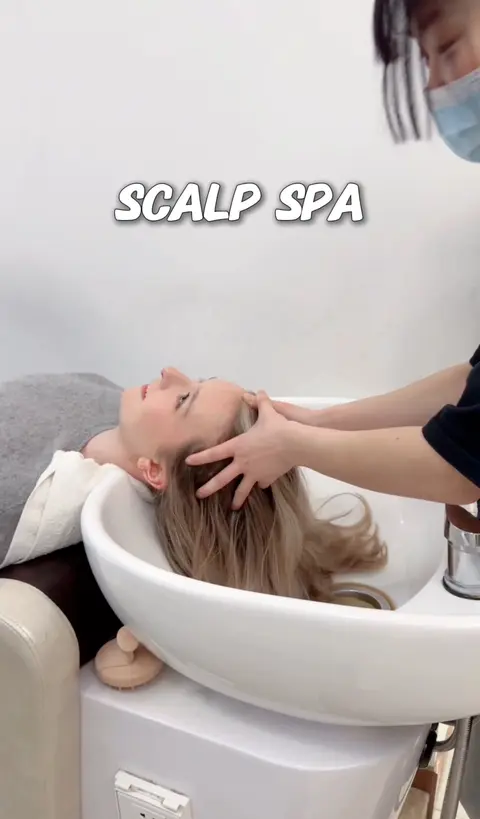
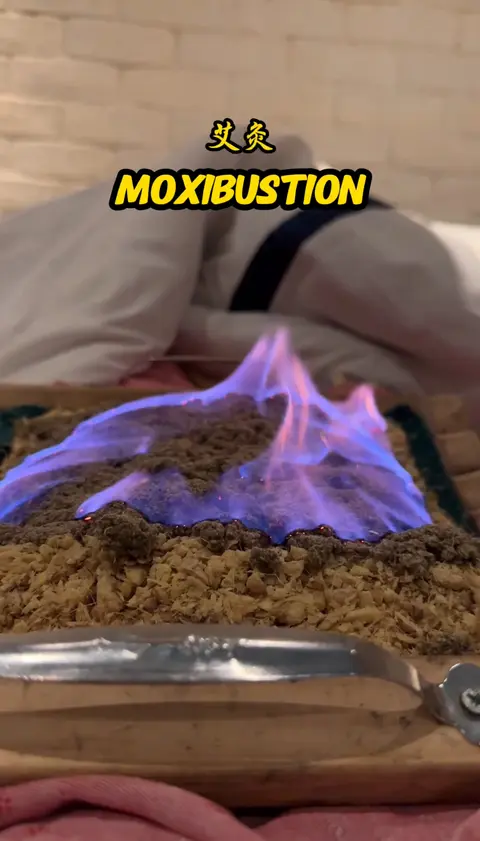
How Lara lives Chinese culture with her host family
A year of Chinese festivals
Every season brings its own celebration, food and family customs. Depending on when you come, you could celebrate several of these with your host family:
- Spring Festival January or February
- The biggest holiday of the year: family reunion dinners, red envelopes (hongbao), fireworks and the Spring Festival Gala on TV.
- Lantern Festival 15 days later
- Lantern displays, riddles and sweet rice balls (tangyuan) to close the New Year.
- Qingming Festival April
- A day to honour ancestors, and a time for spring outings and kite flying.
- Dragon Boat Festival May or June
- Boat races on rivers and lakes, and sticky rice parcels (zongzi) wrapped in bamboo leaves.
- Mid-Autumn Festival September or October
- Mooncakes, lanterns and watching the full moon with your host family.
- National Day 1 October
- A week-long holiday known as Golden Week, when the whole country travels.
An exchange that goes both ways
Cultural exchange is not only about what you learn. Your host family welcomed you because they want their children to discover your world too. Bake a cake from home, teach English songs and games, celebrate your birthday traditions and share how your country celebrates Christmas, Halloween or your own national holidays.
Many au pairs say the best moments are the small ones: a grandmother teaching you a recipe, a child correcting your tones, or a family dinner where everyone talks in a mix of English and Chinese. That is what makes this a real exchange, and why au pairs leave China with a second family, not just a new language.
How far can you get?
Everyone learns at their own pace, but immersion makes a big difference. A rough guide for beginners:
- 1
3 months
Learn the basics: greetings, ordering food, getting around and everyday conversation.
- 2
6 months
Hold simple conversations, read common characters and handle daily life with confidence.
- 3
1 year
Real fluency in everyday situations and a strong base for exams or future studies.
Taking a gap year? Mandarin is a great way to spend it: see a gap year in China.
Start learning Mandarin in China
Applying takes a few minutes. No resume yet? Create a profile in one minute instead.